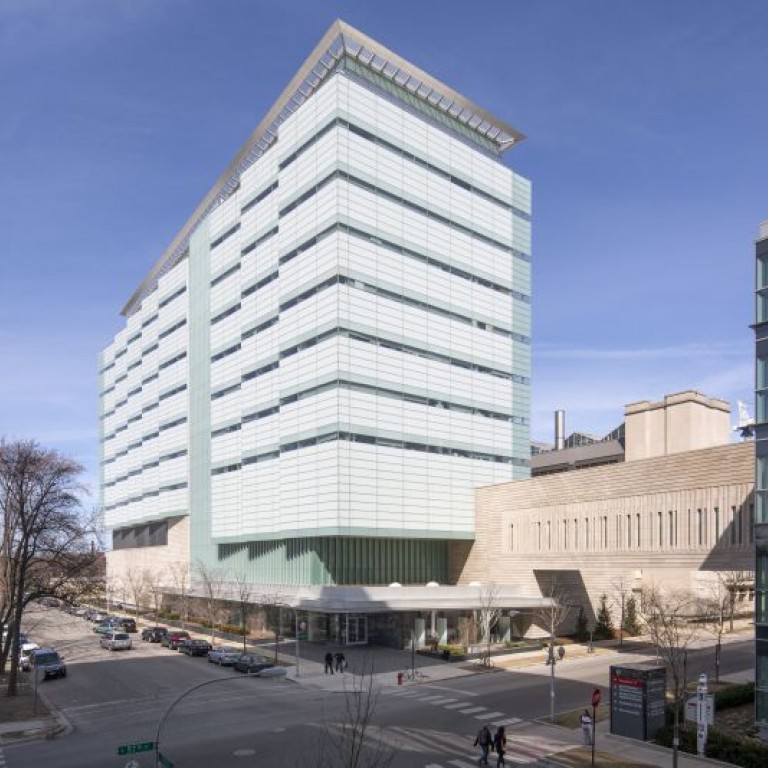
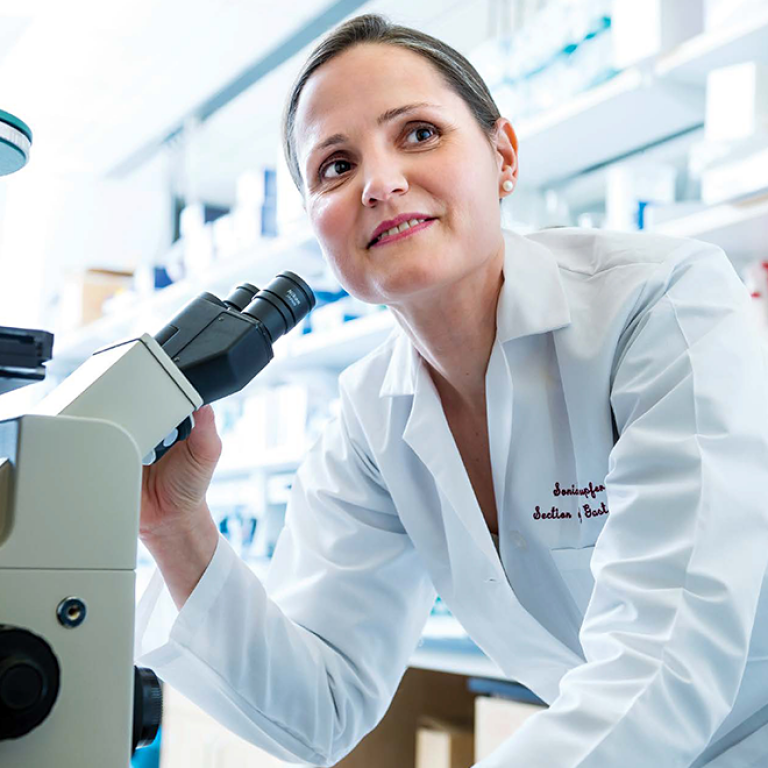
The University of Chicago’s Master of Science in Biomedical Informatics has moved from the Graham School of Continuing Liberal and Professional Studies to the Biological Sciences Division (BSD), a shift program leaders say aligns the degree with the University’s research strengths and the rapidly evolving field of data-driven healthcare.
The program, which relaunched with admissions for fall 2026, prepares students to apply data science, computing, and informatics tools to improve clinical care, advance research, and support decision-making across healthcare settings. The move positions the program within an academic division deeply engaged in biomedical research, clinical informatics, and translational science.
“This program has a natural home within the Biological Sciences Division,” said Samuel Volchenboum, MD, PhD, Associate Dean of Masters Education at the BSD and faculty director of the program. “The move had been discussed for some time, but factors like COVID delayed it. Now the timing is right, and being housed in BSD allows us to better leverage faculty, labs, and clinical partnerships in a way that really strengthens the program.”
A program focused on data-driven healthcare
Biomedical informatics harnesses data—from electronic health records to genomic datasets—to improve health outcomes for individuals and communities. UChicago’s one-year master’s program is designed for clinicians, recent graduates, and working professionals who want to advance or pivot their careers in fields such as clinical informatics, bioinformatics, health IT, data science, and healthcare administration.
“The classroom environment really benefits from the diversity of its student body,” Volchenboum said. “You might have a surgeon, a programmer, and someone working in healthcare operations sitting at the same table, each bringing a different perspective. That dynamic is one of the strengths of the program.”
Students complete a rigorous curriculum that includes core courses in programming, analytics, ethics, and leadership, along with electives that allow them to tailor their studies. Optional concentrations in Bioinformatics or Clinical Informatics give students the opportunity to focus on genomic data analysis or the use of clinical data to inform patient care.
Volchenboum said the program’s quantitative rigor is one of its defining features.
“We lean hard into quantitative analysis—programming, machine learning, analytics—and that’s reflected in the curriculum,” he said. “Our students graduate with a strong technical foundation alongside their understanding of biology and medicine, which sets them apart from graduates of many other programs.”
What’s staying the same—and what’s changing
While the program’s academic home is changing, much of the curriculum is staying the same. About 300 individuals have obtained the MS in Biomedical Informatics degree since the program was founded in 2016.
“We have a very strong curriculum that we have refined over the years and an exceptional instructional team, and we felt that keeping that continuity was important,” said Christine Clark, MS’ 17, an alumna of the program and director of graduate programs in the Office of Master’s Education in the BSD.
The most significant change is the format. The relaunched program will be delivered in a fully online, synchronous format, with classes held in the evenings and on weekends to accommodate working professionals.
“This format gives students much more flexibility,” Clark said. “People who are working full time or balancing other responsibilities can still engage deeply with faculty and peers. And because it’s live and synchronous, students still get that real-time interaction that’s so valuable.”
Courses will combine the live online sessions with asynchronous content delivered through the University’s learning management system. The capstone experience—often cited by students as a highlight of the program—will remain a central feature, though it has been condensed into two quarters from three to allow students to complete the degree in one year.
“The capstone experience has really been a differentiator for us,” Clark said. “Students work on sophisticated, real-world projects, often with sponsor organizations, and some go on to publish their results alongside their mentors.”
Continuously evolving to meet student needs
Both Volchenboum and Clark see the move to BSD as an opportunity for continued growth and evolution.
“We’ve always been intentional about listening to student feedback and refining the program over time,” Clark said. “That won’t change. Being in BSD gives us more resources and more flexibility to keep improving the student experience.”
Volchenboum hopes the program will continue to expand its reach and impact.
“These kinds of training programs are critical to the academic engine,” he said. “They bring talented students into the institution, support faculty research, and ultimately help advance the field. My hope is that this program continues to grow, adapt, and prepare students to lead in data-driven healthcare.”